

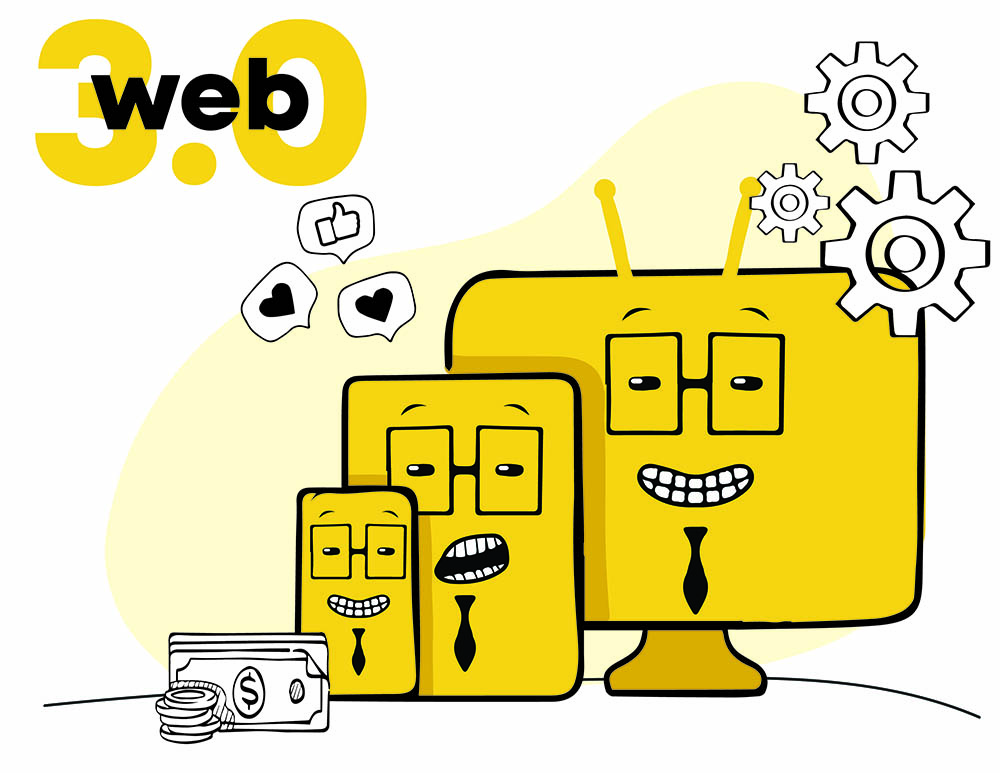
Web 3.0 – Beginning of a new digital era
Web 3.0 appears to be the latest hot topic among digital world enthusiasts. There has been a lot of talk about it recently. And why shouldn’t they? Something that is expected to revolutionise the web world and has a direct impact on the lives of billions of people around the world is certainly worthy of the hype. Web 3.0, like Web 2.0, heralds the start of a new digital era.
Before we continue, it is critical that we understand what these terms actually mean. Introduction of “The Internet” to the world in the 1990s marked the beginning of Web 1.0. We had few options of working with the web, and the actual functions did not go beyond broadcasting information and accessing it to read through. At the time, static or personal websites were the norm. Nonetheless, it paved the way for future developments by providing a foundational understanding of the web world.
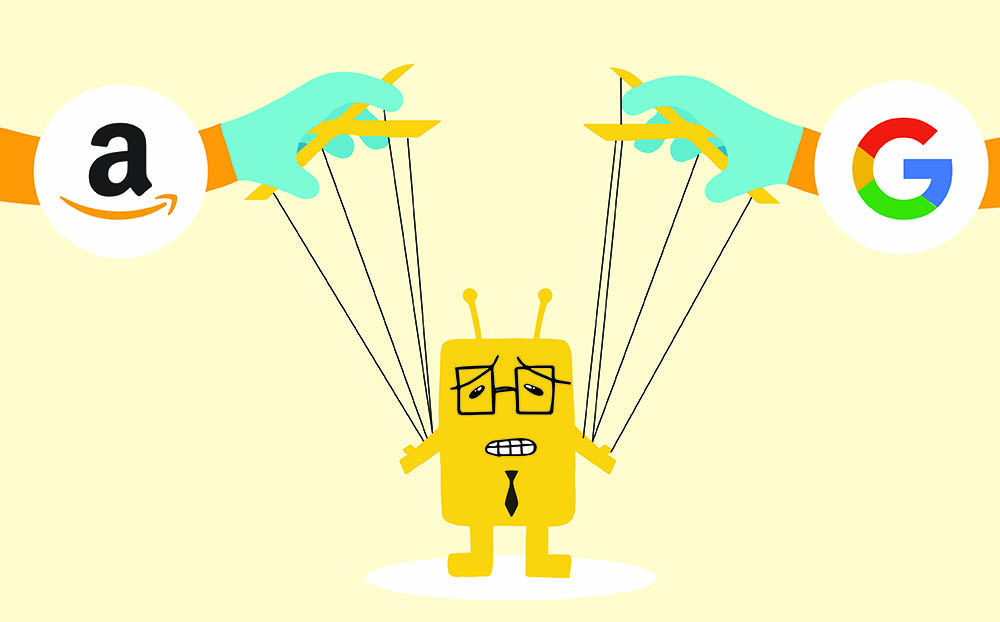
Then, in the mid-2000s, came Web 2.0, and oh boy! How it transformed the way we live and work. With the introduction of tech behemoths such as Google, Facebook, Amazon, and others, online transactions became more convenient. Some of its key features include user-generated content, social media, and ease of access. I’m sure millennials can relate to this because they saw how the Web developed and flourished during this time period. Essentially, everything we do today on the internet and the web world we are aware of is a result of Web 2.0’s continuous evolution.
While companies like Google, Facebook, and Twitter have improved our lives, some critics argue that they have been given too much power. People cannot operate without the use of these middlemen because web operations are centralised. Web 3.0 aims to reduce the role of intermediaries, which means we will no longer need to log in to Google, Facebook, or any other platform to access the internet.
The important question, however, is whether we are moving in the right direction and breaking free from the monopoly approach, or whether we are making things even more difficult. Food for thought!
Every new technology appears perplexing at first, and Web 3.0 has recently become a topic of discussion and intrigue. Let’s move on and learn about some of the most important aspects:
- Decentralized operations – We would no longer need an intermediary like Google to act as a channel for accessing the internet in the world of Web 3.0. Instead of being saved on a single server, information would be stored in multiple locations. As a result, it would reduce the massive database currently held by a few global tech titans. Users will have greater access to their data.
- Absence of a trustworthy intermediary – On the one hand, Web 3.0 heralds the end of technical autocracy; on the other hand, concerns have already been raised about the lack of a trustworthy intermediary, as users will be able to interact directly with one another. The world’s reaction to this fact is divided. For example, users will be able to choose whether or not to watch advertisements while watching videos on the internet. Furthermore, they may be compensated for their time spent watching them.
- AI powered semantic web operations – Web 3.0 has progressed far enough to allow users to conduct searches based on the meaning of their words rather than just keywords or phrases. This is the next step in the evolution of the digital world. This is referred to as semantic operations. These, combined with a computer’s ability to understand and function as a human, form the basis of Artificial Intelligence.
- Based on blockchain – Blockchain will be the foundation and driving force behind Web 3.0. This is the same technology that underpins cryptocurrencies. It reimagines how we store and structure data – as previously stated, “decentralised.” However, from a normal user’s perspective, not much changes because it is more concerned with the backend operations of how the internet works.
What’s your take?
At this point, there are varying responses and opinions on whether Web 3.0 will benefit users by eliminating the use of Web 2.0 applications and focusing on AI, machine learning, and semantic Web. The permissionless system, which removes control over personal data, also appears promising. As a result, exploitative advertising practises are likely to come to an end.
On the other hand, it represents a regulatory threat. Cybercrime is on the rise, and it is already difficult to combat. So, in the absence of centralised control, how does the world intend to keep a lid on data security and privacy threats?
Let us not forget the current tech titans’ dominance over the web. How would Google, Amazon, and other similar companies’ fundamental operations change?
Will Web 3.0 be the new normal?
There are differing views on whether Web 3.0 will replace Web 2.0 or whether they will co-exist in a mutually beneficial environment. Experts argue that, while the popularity of AI-powered, decentralised browsers is likely to grow, this does not imply that Web 2.0 will vanish from the face of the earth.
We believe in providing insight into topics from various domains. This was our modest attempt to explain Web 3.0 in a few straightforward ways. Keep an eye out on Startup Naukri for more global ideas.